1907·Mali
The Mosque That Needs a New Skin Every Year
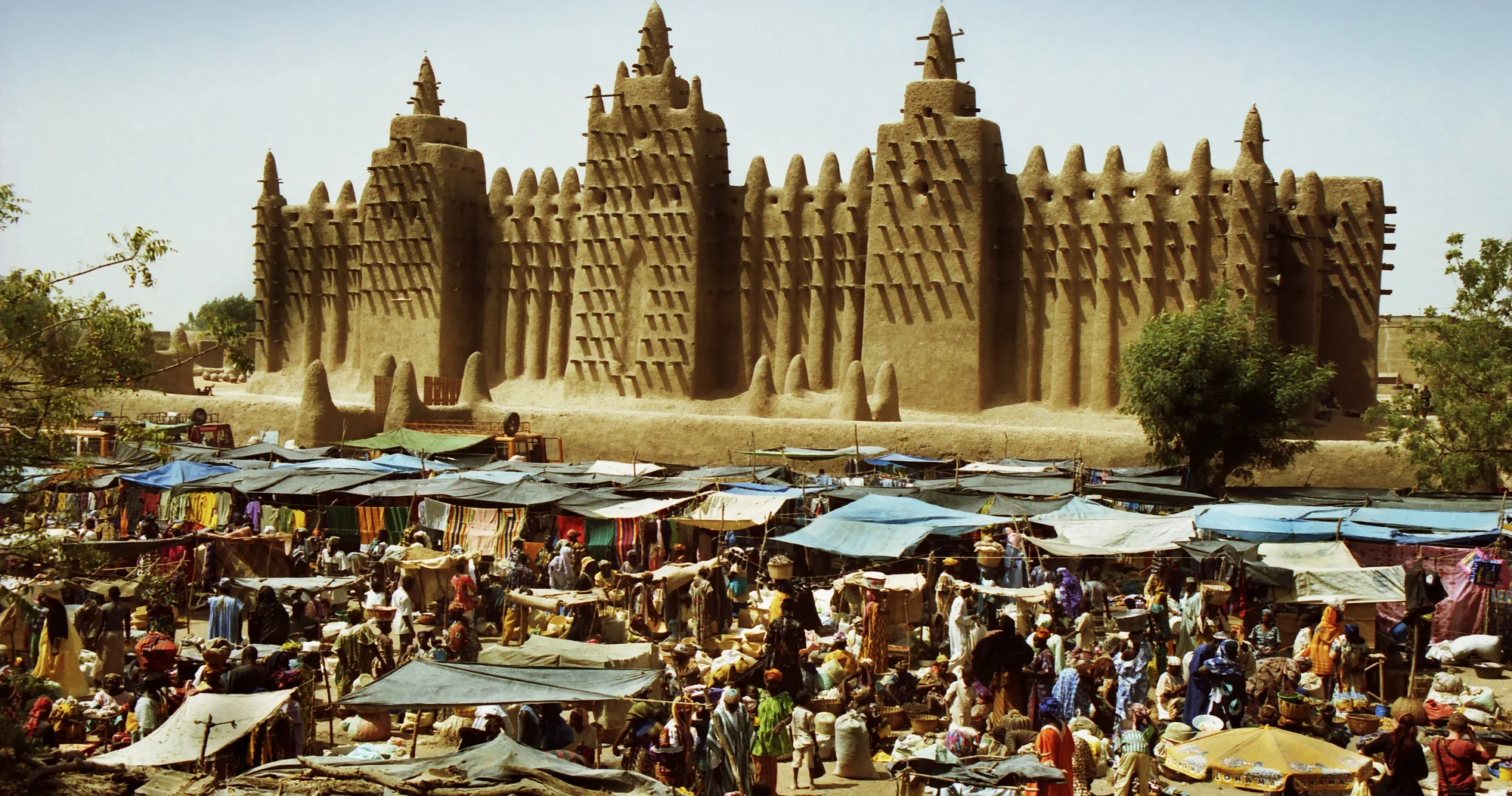
At Djenné, residents renew the Great Mosque’s earthen plaster before the rains; keeping a monument means returning to work on it.
A field journal of history that refuses to end
Still Happening·Festival·1895
Kyoto’s Jidai Matsuri sends historical costumes backward through the centuries, in a festival founded in 1895 to commemorate a much older capital.
Flutes and drums mark the Meiji Restoration section of Kyoto’s Jidai Matsuri. They belong near the recent end of the history being represented. As the costumed procession follows, the centuries run backward, toward the beginnings of the imperial capital.
The marchers are not walking backward. The order of their historical periods is. Figures associated with the upheavals around 1868 give way to earlier worlds: warriors, court dress and people represented through the clothing of their time. The customary procession travels from the grounds of the Kyoto Imperial Palace to Heian-jingu Shrine. Around two thousand participants are involved, an approximate scale rather than a count of any particular year.
It would be easy to mistake the age of the costumes for the age of the ceremony. Jidai Matsuri began in 1895, when Heian-jingu was established to commemorate the 1,100th anniversary of the founding of Heian-kyo in 794. The historical city was already old; this way of presenting it was new. The festival’s date is normally 22 October.
Research and craftsmanship go into the costumes, which recreate historical styles. Their variety gives the procession its argument. Military figures and courtly ones share the street; history is made visible through differences of dress, equipment and role. The spectators do not need to enter a gallery to notice that one century has given way to another.
There is a religious purpose within the display. Sacred carriages convey the spirits of Emperors Kanmu and Komei, in the language of the shrine’s ritual. The historical groups accompany that journey. That religious journey gives the historical display its destination.
Its direction is a useful piece of theatre. The procession begins close to the end of Kyoto’s time as imperial capital and works toward its foundation, turning a familiar story of progress into a return. That does not make the past uncomplicated. It makes the city’s decision to keep presenting it difficult to overlook.
The continuity lies partly in the work of reconstruction: learning the clothes, making the arrangements and taking the parts again. An old capital has found a way to give its history legs.
Facts checked against the sources above on 22 October 2026. Corrections are welcome via @historicjots.
1907·Mali
At Djenné, residents renew the Great Mosque’s earthen plaster before the rains; keeping a monument means returning to work on it.
690·Japan
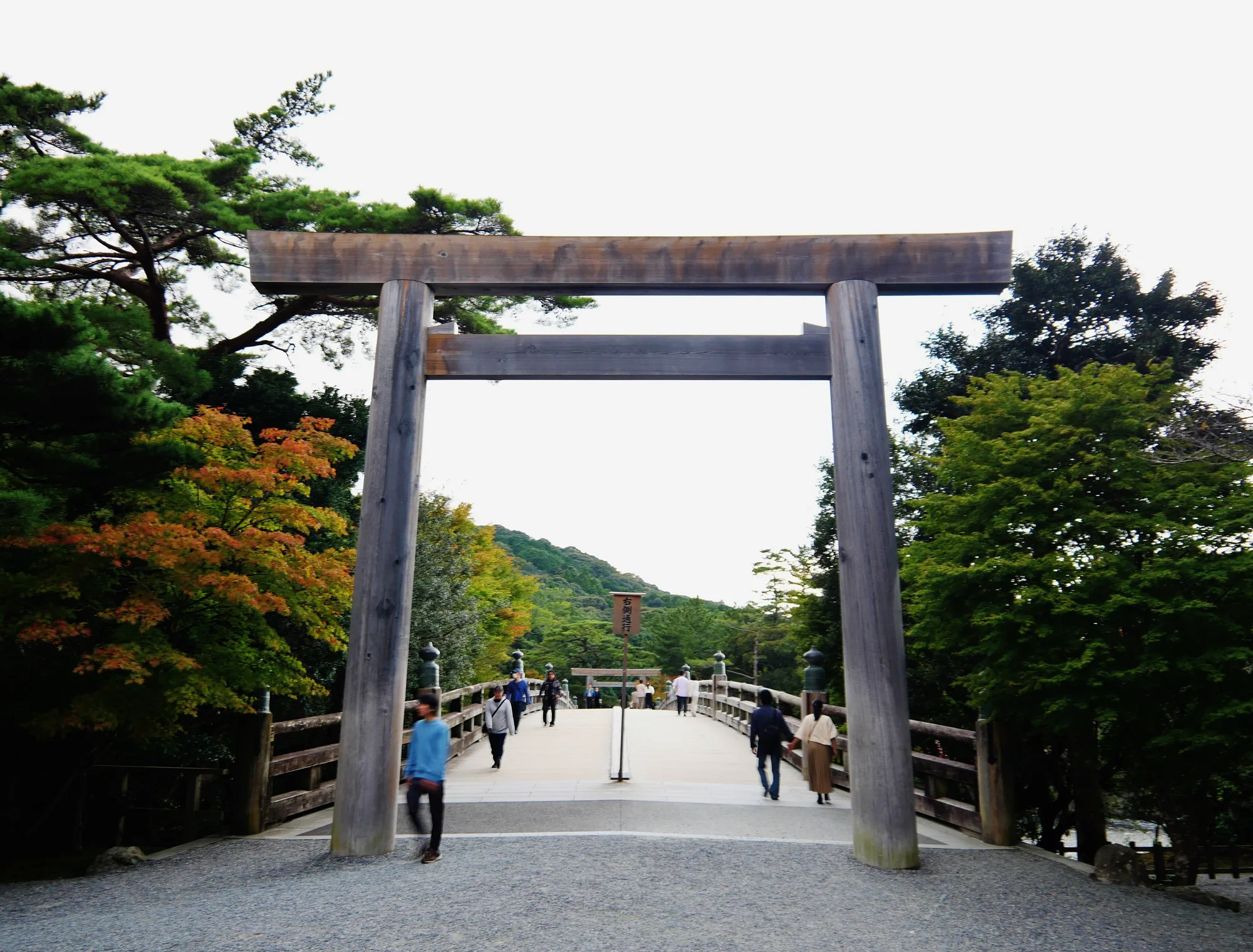
At Ise, the main sanctuaries are renewed on neighbouring plots in a twenty-year cycle, a practice maintained despite long historical interruptions.
1910·Federated States of Micronesia
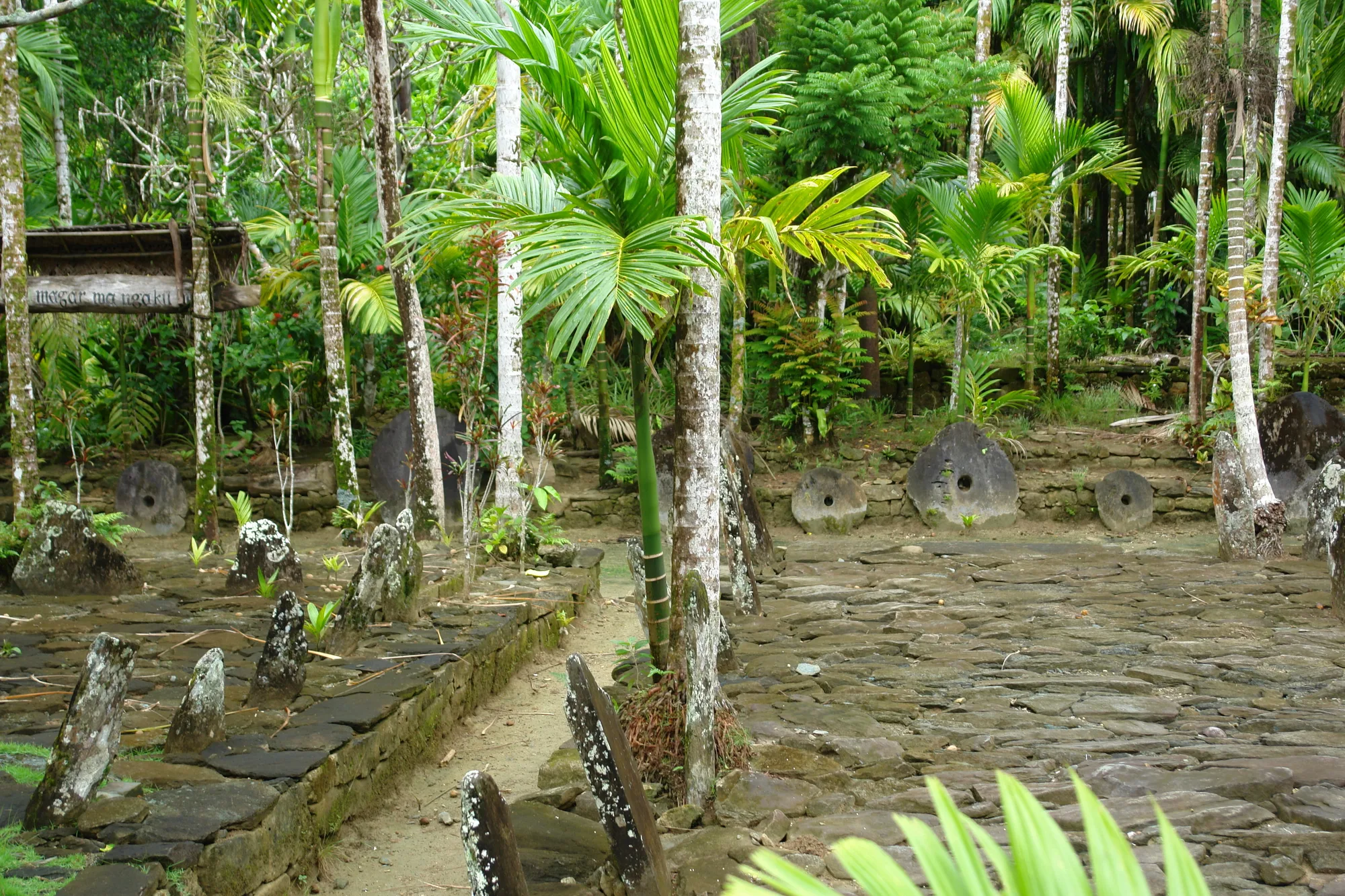
In a story published in 1910, a limestone disc lost at sea still counts as a family’s wealth.