1910·Federated States of Micronesia
The Money at the Bottom of the Sea
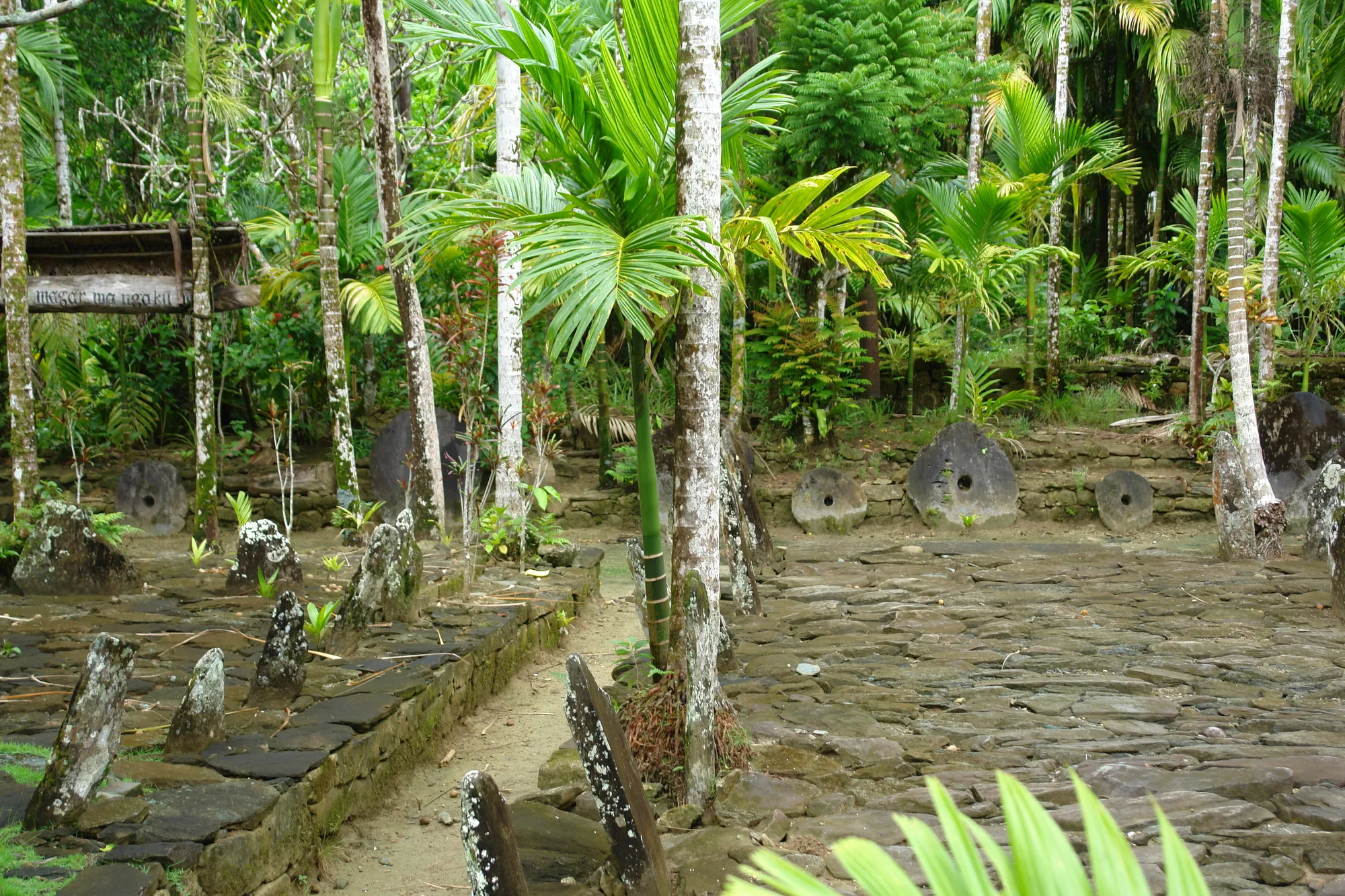
In a story published in 1910, a limestone disc lost at sea still counts as a family’s wealth.
A field journal of history that refuses to end
Still Happening·Landmark·690
At Ise, the main sanctuaries are renewed on neighbouring plots in a twenty-year cycle, a practice maintained despite long historical interruptions.
Beside the Outer Shrine at Ise lies a rectangle of white pebbles with nothing on it but a small wooden hut. This is the kodenchi, the old site, and it is not so much empty as waiting. Under the hut stands a post called the shin-no-mihashira, the heart pillar, sheltered from view. In 2033, if the schedule holds, new sanctuary buildings will rise around it, the deity will be moved across, and the buildings that stand next door today will be taken down. Then the empty rectangle will be on the other side, and the waiting will begin again.
Shikinen Sengu means, roughly, the removal of the shrine in the appointed year. Every twenty years the main sanctuaries of Ise Jingu, the Inner Shrine and the Outer Shrine, are built again from new materials on the plot beside the old ones, along with the Uji Bridge that carries pilgrims over the Isuzu River to the Inner Shrine. The current buildings went up in 2013, in the 62nd rebuilding.
Tradition credits Emperor Tenmu with ordering the system. The Kokugakuin University Encyclopedia of Shinto dates the first rebuilding of the Inner Shrine to 690, under his successor Empress Jitō, and of the Outer Shrine to 692; some English-language accounts give 692 for the first. Either way the date comes from tradition and written record rather than from surviving wood, which is the point. The present sanctuary timbers cannot independently establish those early dates.
The rule has not been unbroken. During Japan's age of civil wars, prolonged warfare and difficulty raising the money for construction interrupted renewal for more than 120 years. The shrines were eventually rebuilt, but that long gap remains part of the history of a practice often described simply as continuous.
The shrine's own forest cannot yet supply all the timber it needs, though a forestry plan begun in 1923 aims to make Ise self-sufficient in cypress. For now the ceremonial first trees come from Kiso, in Nagano Prefecture. Dismantling does not end the wood’s use. Old pillars become torii gates, and timber is sent to other shrines for reuse. That is a documented second life for the material, rather than a reason to assume that every part survives.
The 63rd cycle began in 2025. Its opening rites included Yamaguchi-sai in May and the ceremonial cutting of sacred cypress in Kiso in June. Timber-hauling ceremonies brought residents together again in 2026. The routes lead overland to the Outer Shrine and up the Isuzu River to the Inner Shrine. In photographs of the hauling, timber becomes a public task, handled by the people whose city surrounds the sanctuaries. The new Uji Bridge is scheduled for 2029, and the transfer of the deities for October 2033.
Photography is restricted at the main sanctuaries. Visitors see thatched roofs over plain wooden fences, and the empty plot beside them. That suits the place. What survives at Ise is not a building but an instruction. The aim is a twenty-year cycle, despite the interruptions recorded in its history. The rule is more than thirteen centuries old.
Facts checked against the sources above on 15 October 2026. Corrections are welcome via @historicjots.
1910·Federated States of Micronesia
In a story published in 1910, a limestone disc lost at sea still counts as a family’s wealth.
1963·Turkey
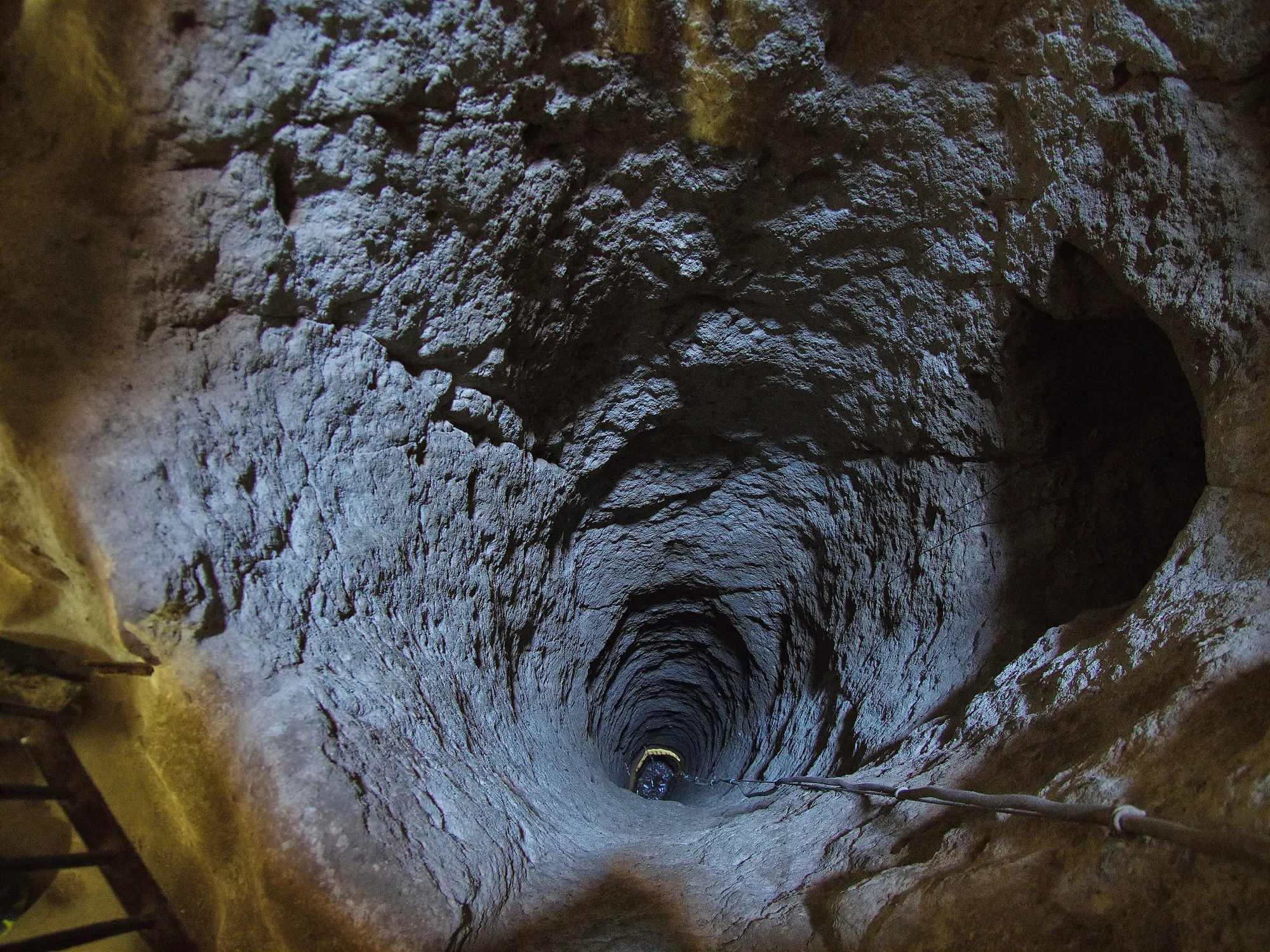
A discovery account from 1963 leads beneath Cappadocia into a rock-cut refuge whose rooms are easier to inspect than its limits are to measure.
Every June·Peru
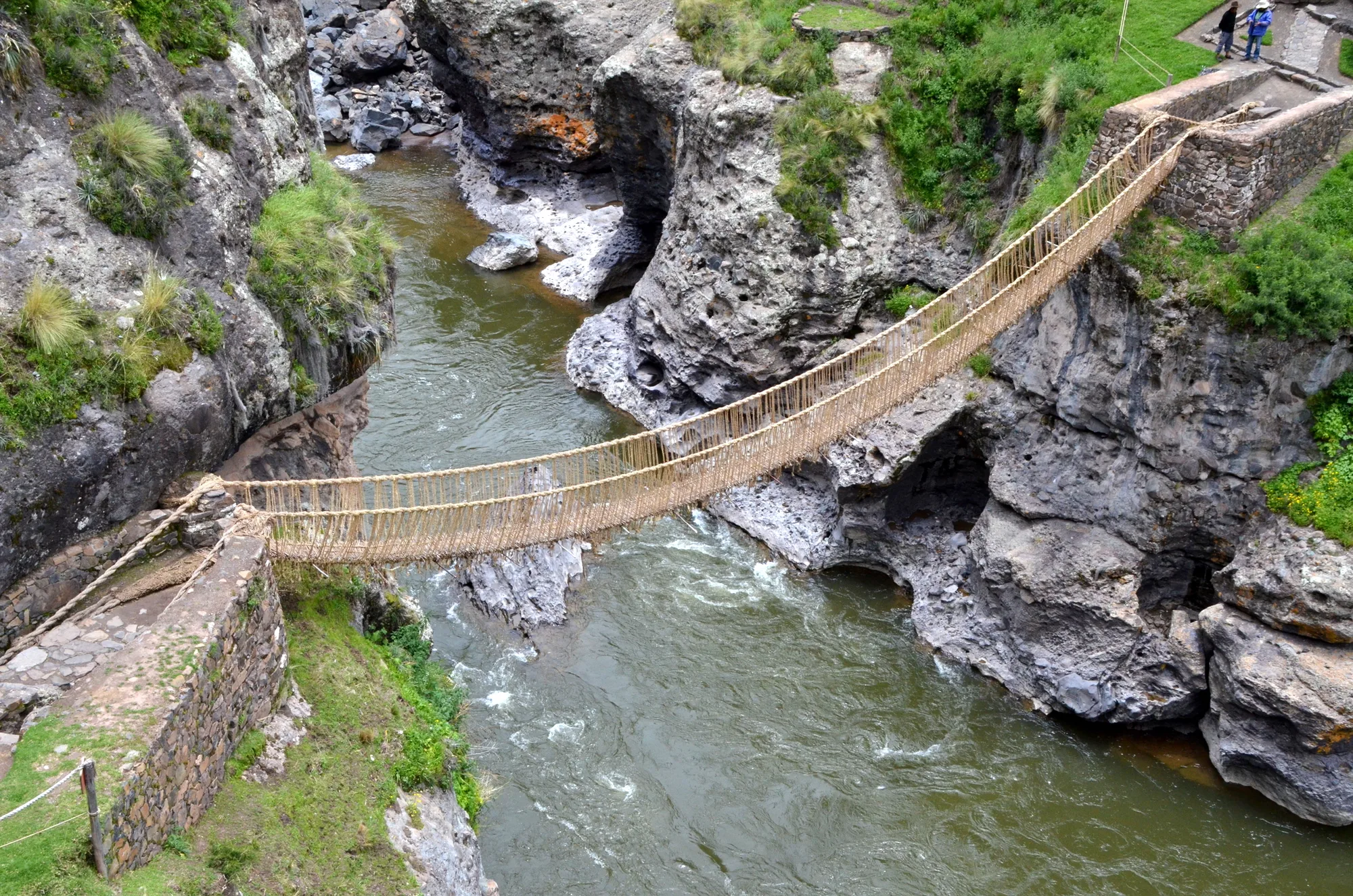
Every June four Quechua communities braid a new bridge over the Apurímac out of grass. In 2020 they couldn't, and the river showed what the ritual is for.