Every June·Peru
The Bridge That Has to Be Made Again
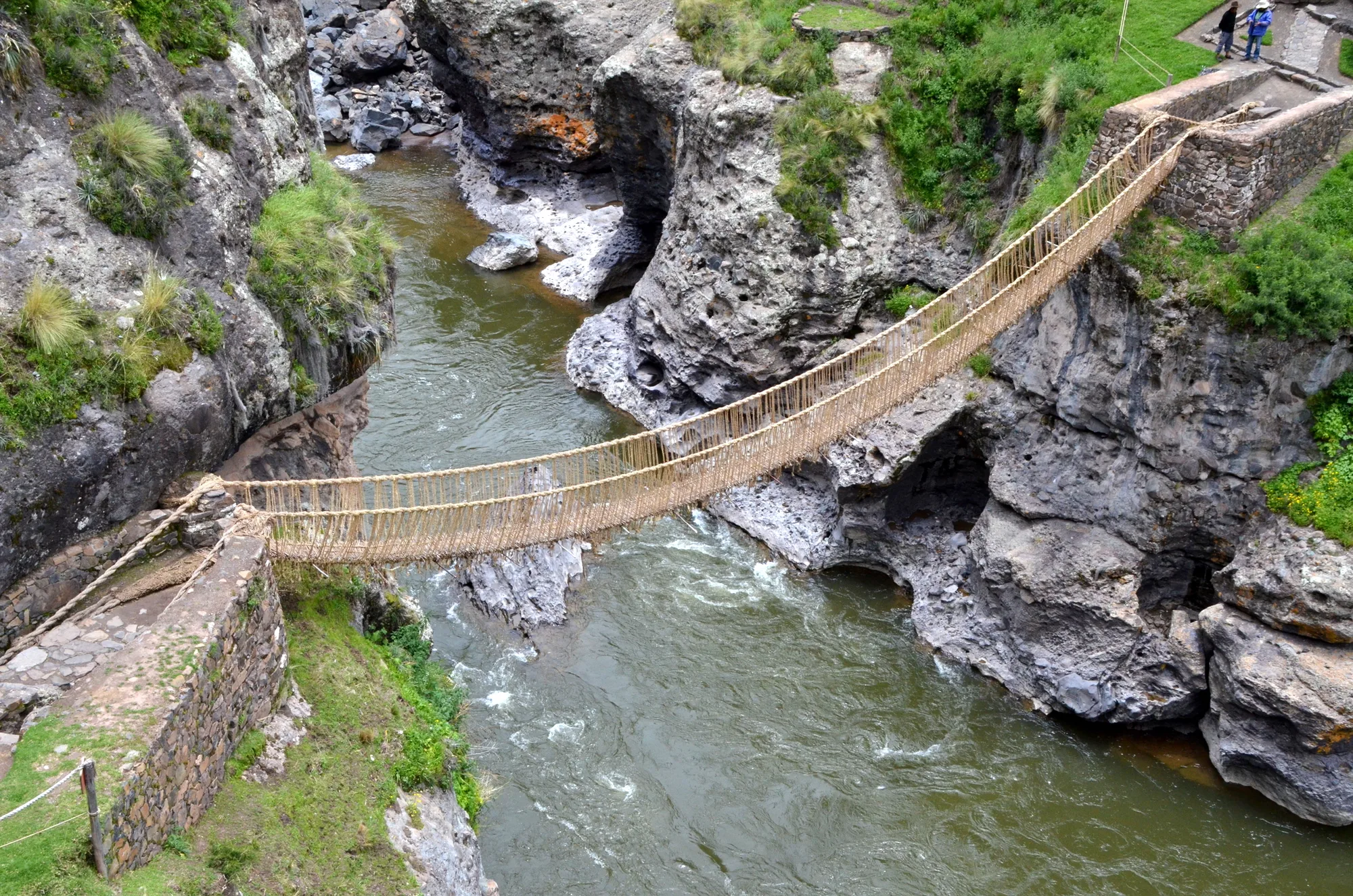
Every June four Quechua communities braid a new bridge over the Apurímac out of grass. In 2020 they couldn't, and the river showed what the ritual is for.
A field journal of history that refuses to end
Still Happening·Culture·1910
In a story published in 1910, a limestone disc lost at sea still counts as a family’s wealth.
In a story published by William Henry Furness III in 1910, a fortune lies under a few hundred feet of water, unseen by the people who recognise its value. The story describes a disc of limestone with a hole through the middle for a carrying pole. Its size, wrote the American traveller William Henry Furness III in 1910, "is known only by tradition." For two or three generations it had belonged to one family, and nobody on the island thought its being underwater was a reason it should stop.
The Yapese call these discs rai; Furness wrote down the word he heard as fei. The stone used for these discs was not available on Yap, so the discs were quarried on Palau, several hundred miles to the southwest, and brought home by canoe and on rafts. They run from a few inches across to about twelve feet, and the biggest weigh several tonnes. Value depended on size and on the fineness of the stone, but above all on history: who had owned it, what it had cost to fetch, whether men had died on the voyage.
Because the large ones were impractical to move, they mostly weren't. A sale was made by agreement. The buyer, Furness wrote, was "quite content to accept the bare acknowledgment of ownership," and the stone stayed where it was, often on the former owner's land. The ledger was the village's memory.
That is how the family with the sunken stone stayed rich. Their ancestor, Furness was told, had been towing it home on a raft when a violent storm forced the crew to cut it loose. They came home, testified to its size and quality, and swore the loss was no fault of the owner. The island agreed that a few hundred feet of water did not change the matter. Furness heard this from his Yapese friend Fatumak; it is oral tradition, set down once by a visitor, rather than a surveyed underwater find.
The record also has its inflation. David Dean O'Keefe, an Irish-American trader, began sending a schooner to Palau with Yapese stonecutters and bringing back stones to trade for copra and sea cucumber. By later accounts, Yapese valued O'Keefe's stones below the old ones carried by canoe. They had come too easily.
The story has since travelled beyond Yap. Economists have used the stones to ask what gives money its value: the material itself, the work invested in acquiring it, or an agreement that ownership will be recognised. The account of a lost stone makes that question unusually concrete.
Dollars handle ordinary purchases, while rai retain roles in customary transactions. Many stand along village paths and meeting grounds. Their ownership is publicly known, which makes an unnoticed transfer quite different from pocketing a coin. They still occasionally change hands in customary exchange, for land and for marriages, and the transfer is still a matter of everyone knowing.
In Furness’s account, the stone under the sea remained wealth because its ownership was recognised. The lesson concerns an agreement, not the verified whereabouts of a stone today. A bank balance asks us to recognise something similarly abstract.
Facts checked against the sources above on 12 October 2026. Corrections are welcome via @historicjots.
Every June·Peru
Every June four Quechua communities braid a new bridge over the Apurímac out of grass. In 2020 they couldn't, and the river showed what the ritual is for.
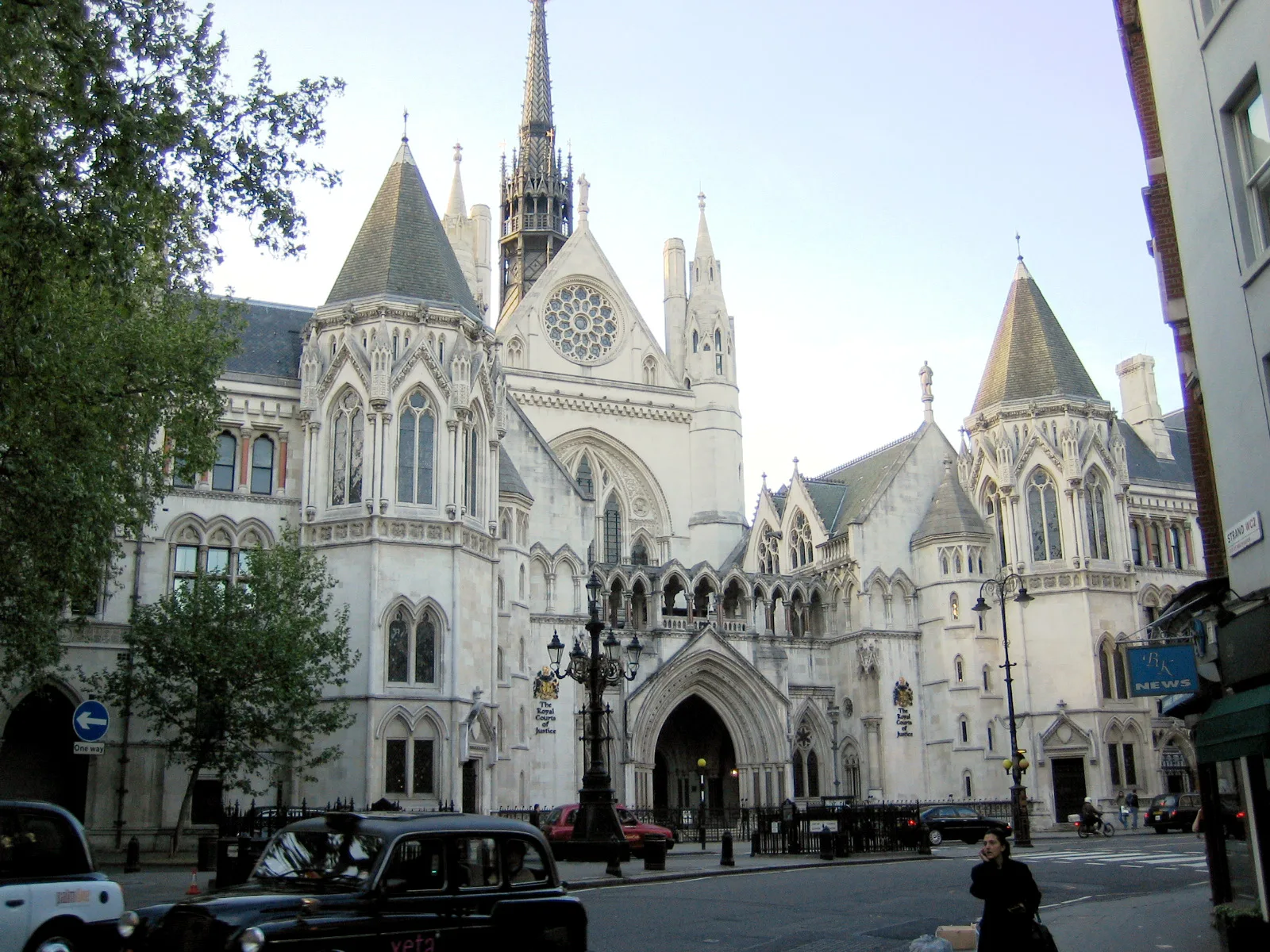
1211·United Kingdom
Every October the City of London pays the Crown six horseshoes, 61 nails and two blades, and a judge in a tricorn hat counts them.