1211·United Kingdom
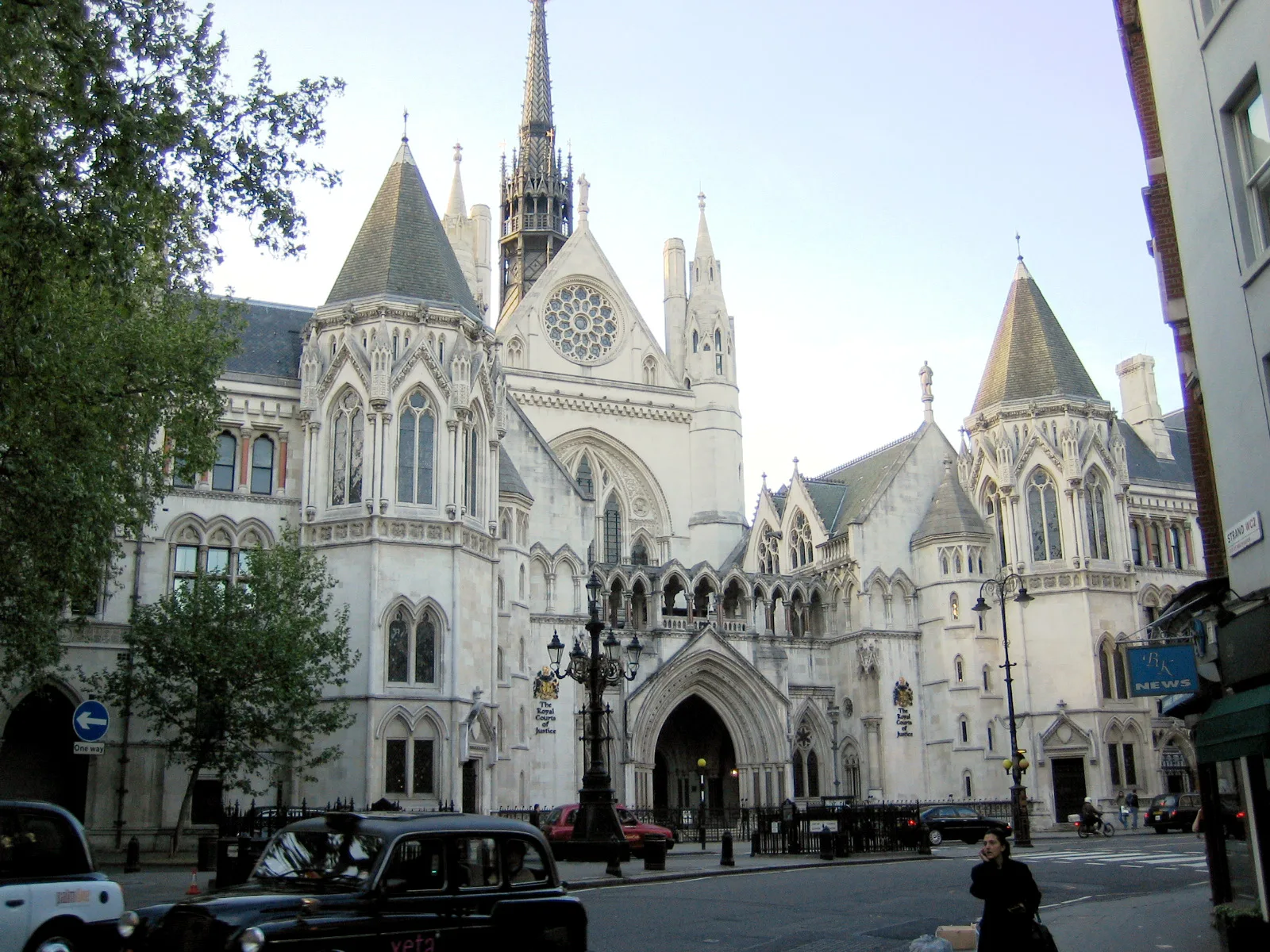
The Rent Is Six Horseshoes
Every October the City of London pays the Crown six horseshoes, 61 nails and two blades, and a judge in a tricorn hat counts them.
A field journal of history that refuses to end
Still Happening·Culture·Every June
Every June four Quechua communities braid a new bridge over the Apurímac out of grass. In 2020 they couldn't, and the river showed what the ritual is for.
The bridge starts as a cord about as thick as a finger. Each June, families from four Quechua communities in the Quehue District of Cusco twist q'oya, a tough highland grass, into thin lines. A 2019 UNESCO Courier report describes them as about 70 metres long. The communities are Huinchiri, Chaupibanda, Choccayhua and Ccollana Quehue, and each household brings its share down to the Apurímac gorge.
What follows is engineering in sequence. Under the eye of two master builders, the thin cords are twisted into medium ropes, and the medium ropes are braided into six great cables. The old span is detached and allowed to fall into the river; the new cables are hauled across the gorge and lashed tight to stone anchors. Under the supervision of the bridge masters, the chakaruwaq, two groups work from opposite banks, attaching smaller ropes between the handrails and the floor until they meet over the river.
Peru's state news agency counts about a thousand participants, organised as minka, the Andean custom of shared labour and mutual help. The rebuilding takes several days in June; accounts differ in whether they include the closing festival in their count. It opens with offerings to Pachamama and the mountain spirits, and it closes with a festival. The finished span is about 30 metres long (published figures run from 28 to 33) and 1.2 metres wide.
The Q'eswachaka is often called the last Inca rope bridge. UNESCO’s Courier describes it more narrowly as Peru’s last remaining bridge made of vegetable fibres. The techniques are centuries old, but an annual rebuilding is not the same thing as an uninterrupted structure. Every new span replaces an older one.
The record includes one too. UNESCO inscribed the renewal on its list of the intangible heritage of humanity in 2013, under the title "the annual renewal". Seven years later the annual part failed. In June 2020, Peru's pandemic lockdown banned gatherings, and nobody renewed the ropes. The last renewal had been in June 2019. Rain, sun and wind did the rest, and in March 2021 the bridge collapsed into the gorge.
In mid-June 2021 Reuters reported that the Huinchiri community was weaving it again. Workers balanced on the new main cables and worked toward the centre from both banks, just as UNESCO describes. Cusco's regional governor put the collapse down plainly: the bridge had not been reinforced the year before, because of the pandemic.
Grass rots, which is the point. A stone bridge can outlast the people who built it. A grass bridge lasts about a year, so it depends on the communities agreeing to renew it. The collapse in 2021 did not break the tradition. It showed what the tradition is for.
Facts checked against the sources above on 12 October 2026. Corrections are welcome via @historicjots.
1211·United Kingdom
Every October the City of London pays the Crown six horseshoes, 61 nails and two blades, and a judge in a tricorn hat counts them.