690·Japan
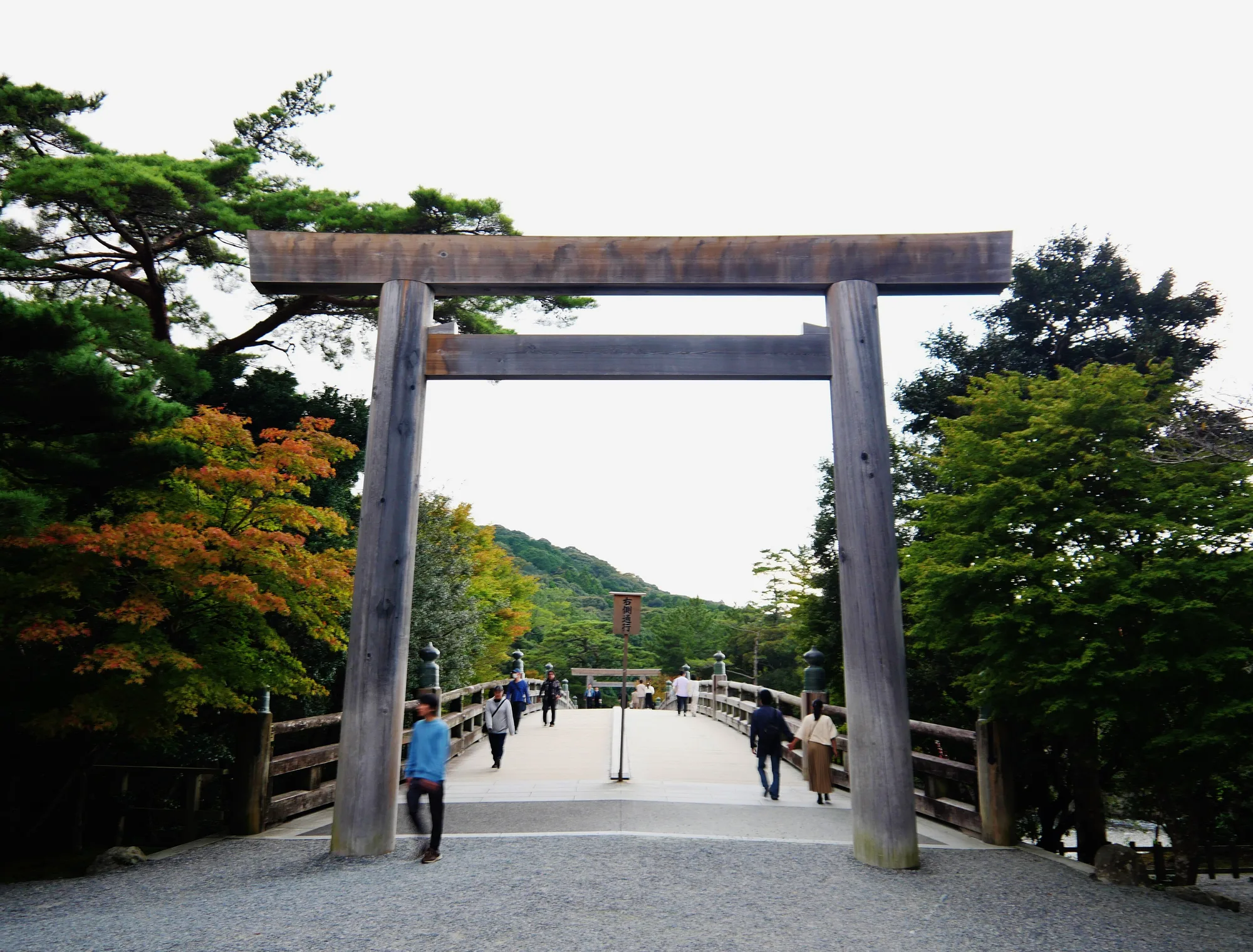
The Shrine on the Next Plot
At Ise, the main sanctuaries are renewed on neighbouring plots in a twenty-year cycle, a practice maintained despite long historical interruptions.
A field journal of history that refuses to end
Still Happening·Festival·1907
At Djenné, residents renew the Great Mosque’s earthen plaster before the rains; keeping a monument means returning to work on it.
Wooden beams bristle from the walls of the Great Mosque of Djenné. In photographs of the crépissage, the communal replastering, workers stand on them to reach the earthen towers. What looks like part of the building’s ornament is also a means of returning to work on it. The scaffold stays with the mosque.
The work begins with material that is ordinary enough: earth, water and rice husks. Local descriptions also record additives such as shea butter and powdered baobab. This protective plaster is not a promise of permanence. Seasonal rains erode it, and the surface has to be renewed.
During the crépissage, men and boys bring mud and apply it to the walls, while women and girls carry water. Experienced masons direct the work. The photographs show the scale of the task without making the people into an anonymous crowd: someone has to prepare the mixture, someone has to carry it, and someone has to judge how it should be put on.
The present Great Mosque, widely described as the world’s largest mud-brick building, dates from 1907. It occupies the site of an earlier mosque, generally traced to around the thirteenth century. The early chronology belongs to written and oral accounts, not to a claim that the present walls have stood untouched since medieval times.
A postcard dated 1904 shows the earlier mosque in ruins. The reconstruction followed in 1906–1907. Set beside a modern photograph, the card makes a useful distinction: the institution and its site are older than the building now standing there. Repeated plastering adds another timescale. The visible coat is renewed, while the masonry and structural repairs have their own histories.
The Old Towns of Djenné were inscribed on UNESCO’s World Heritage List in 1988 and placed on the List of World Heritage in Danger in 2016 amid insecurity. Conflict threatens the setting in which communal maintenance takes place, as well as the buildings themselves.
Yet annual tradition should not be mistaken for evidence of an unbroken timetable. AFP and UNESCO documented replastering in June 2025; UNESCO’s participating team describes that year’s work in two stages. In an April 2026 account, the African Academy of Languages emphasizes the passing of skills from older residents to younger ones through participation.
The mosque does not stand because mud has ceased to weather. It stands through construction, repair and people learning to do the work again. Keeping a monument can mean preserving the obligation to come back to it.
Facts checked against the sources above on 16 October 2026. Corrections are welcome via @historicjots.
690·Japan
At Ise, the main sanctuaries are renewed on neighbouring plots in a twenty-year cycle, a practice maintained despite long historical interruptions.
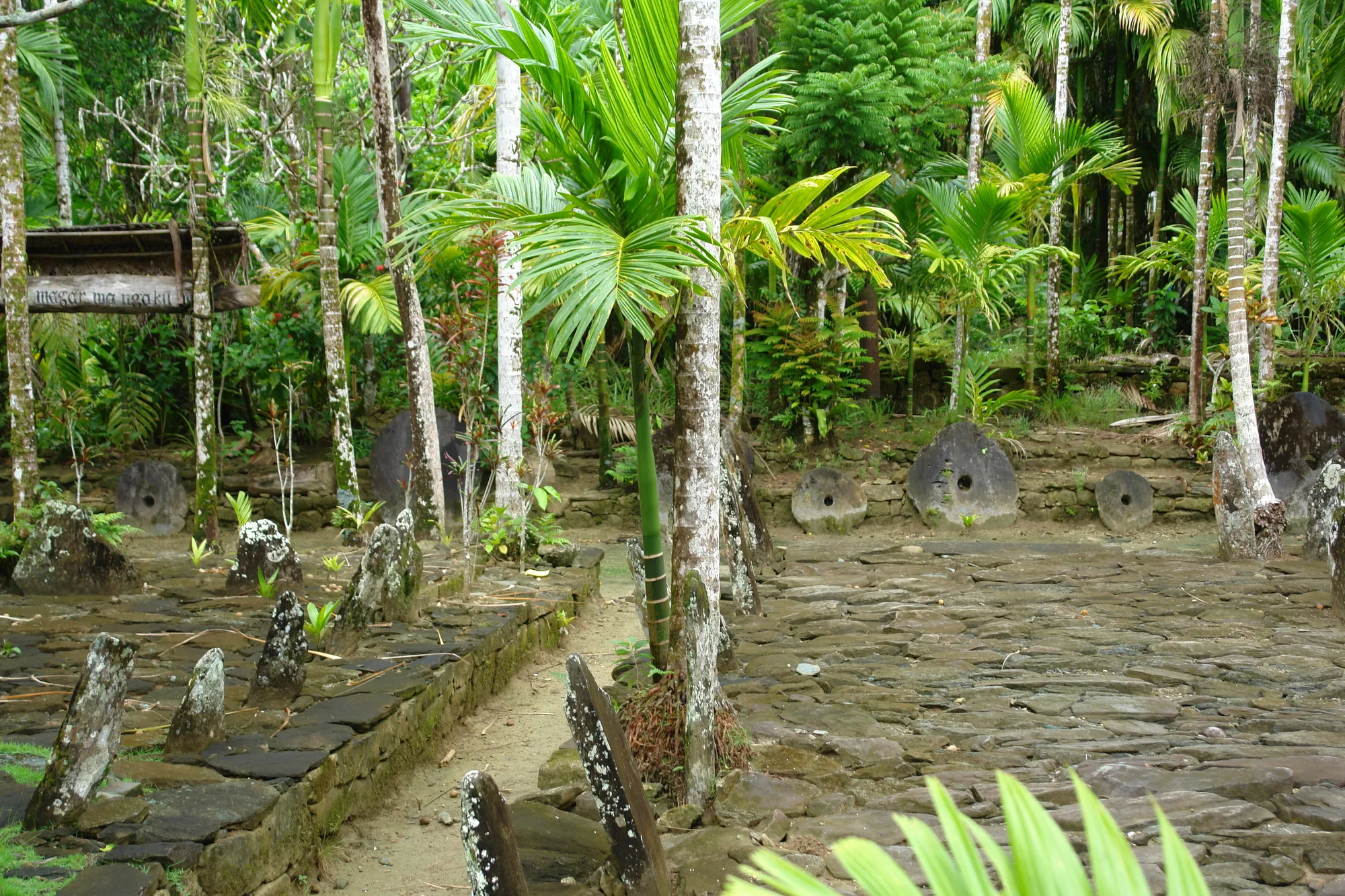
1910·Federated States of Micronesia
In a story published in 1910, a limestone disc lost at sea still counts as a family’s wealth.
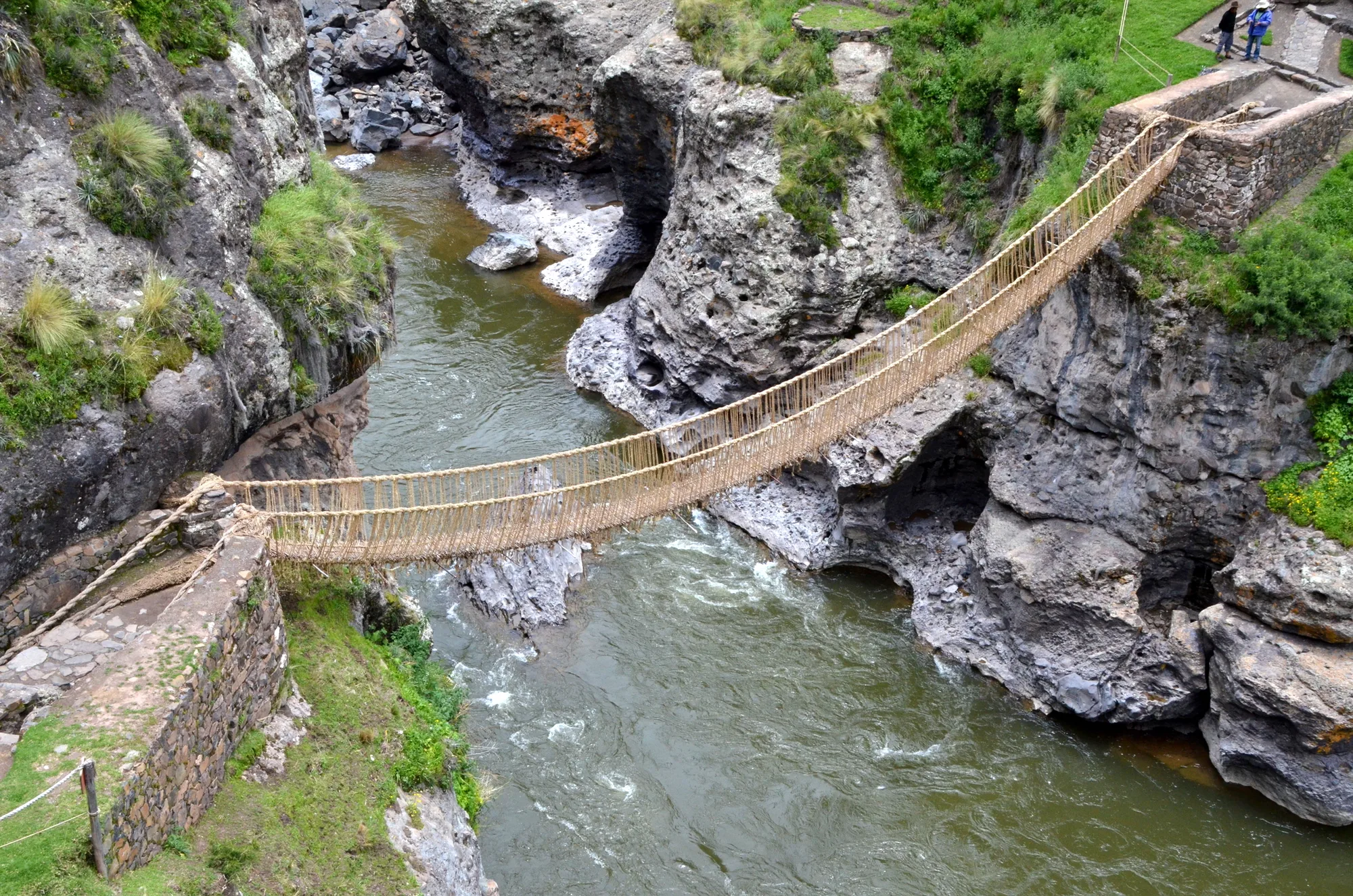
Every June·Peru
Every June four Quechua communities braid a new bridge over the Apurímac out of grass. In 2020 they couldn't, and the river showed what the ritual is for.