1814·United Kingdom
Casually, Accidentally and by Misfortune
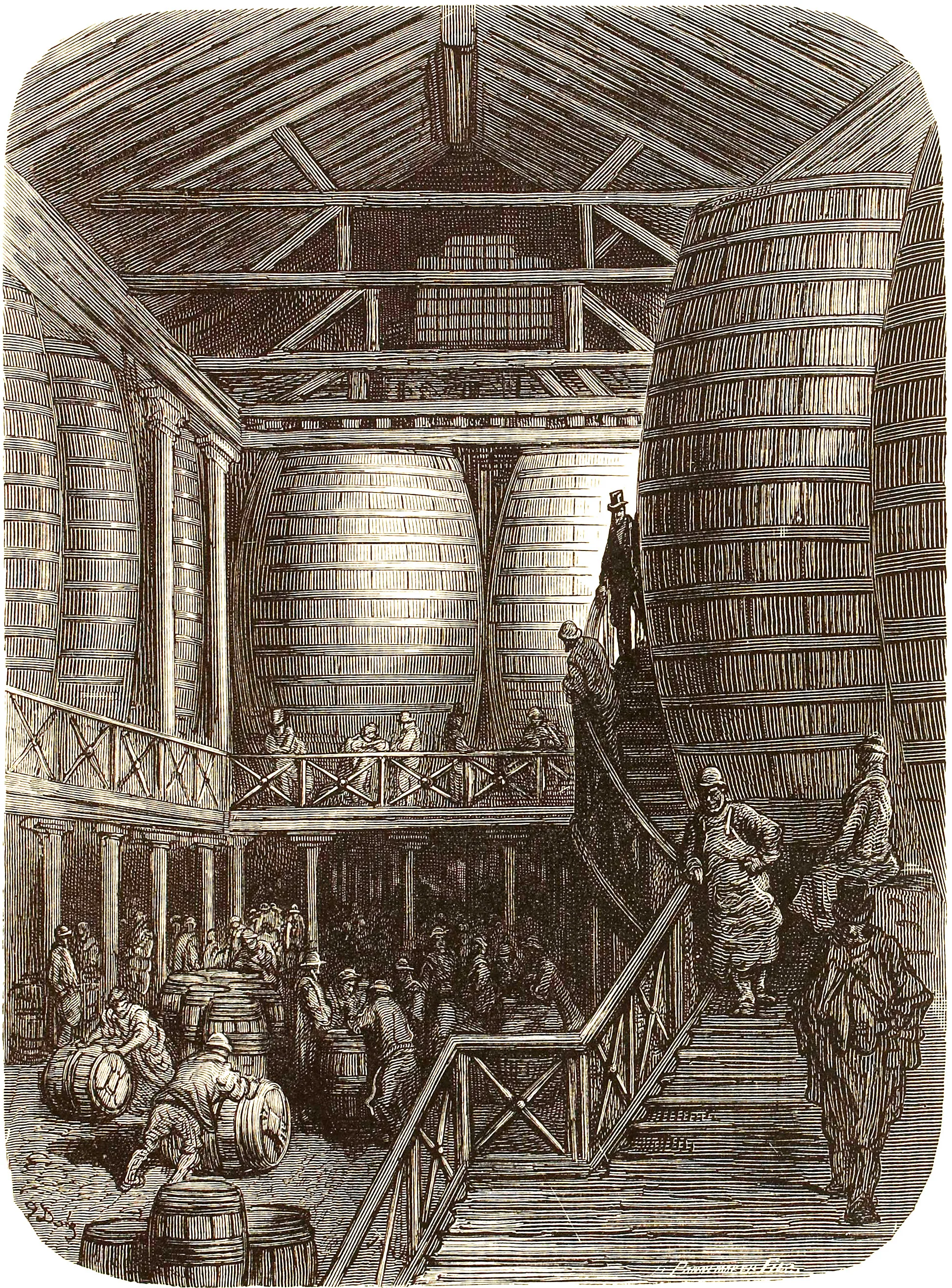
In October 1814 a vat of porter burst at a London brewery, a wave of beer flattened two houses in St Giles, and eight people died.
A field journal of history that refuses to end
History·1867
At the 1867 transfer ceremony in Sitka, the Russian flag stuck in its ropes; two eyewitness accounts record an awkward interruption to a carefully arranged exchange.
The Russian flag caught in its ropes. On the afternoon of October 18, 1867, the troops on Castle Hill in Sitka were ready for a formal transfer of territory. The flag was not. Pulling tore away its border, leaving the rest suspended above the ceremony.
General Lovell Rousseau, the American commissioner, described the interruption in his report to Secretary of State William Seward. Russian soldiers tried to climb the rigging, tired, and stopped before reaching the flag. Another man was hauled up with a rope. He freed it, then dropped it onto the soldiers below.
This is more than a later comic embellishment. Andrew Alexander Blair, a midshipman aboard the USS Resaca, recorded the same sequence independently in his diary: the torn edge, exhausted climbers, a man hoisted with tackle and the falling flag. Two accounts preserve the awkward work that stood between the arrangements and their completion.
The American flag was raised and saluted. Russia’s commissioner, Captain Alexei Peshchurov, and Rousseau completed the formal exchange. American spectators gave cheers. The flags supplied a visible boundary between the governments, though the transaction had a longer timetable. The treaty had been signed in Washington on March 30, 1867. The ceremony followed that October. The Treasury warrant for $7.2 million, payable to Russia’s minister Edward de Stoeckl, was dated August 1, 1868.
Castle Hill is now a state historic site. Modern visitors can climb to the place where the commissioners stood, but the hill’s history does not start with their arrival. Tlingit people occupied and fortified it before the Russians. Changing flags describes a transfer between governments; it does not describe the whole life of a place.
The official exchange could be planned, the troops assembled and the guns made ready. Yet two men writing about the afternoon preserved an unscheduled interval: people looking upward while other people worked at a rope. The treaty could specify a transfer. It could not make the flag come down.
Facts checked against the sources above on 18 October 2026. Corrections are welcome via @historicjots.
1814·United Kingdom
In October 1814 a vat of porter burst at a London brewery, a wave of beer flattened two houses in St Giles, and eight people died.